

The uncertainty of what you might be asked after your presentation keeps many people awake at night. I think it’s safe to say that nobody wants to appear incompetent, and we all want to be able to answer those unexpected questions that might come from the audience.
What can you expect? Which questions are asked most often? Read this article and prepare for your next presentation so that you feel comfortable and confident.

These concern specific details that were omitted from the main part of the presentation. As we all know, there is never enough time to cover everything and discuss every single detail that might interest the audience. Clarifying questions help eliminate ambiguities, verify the status of agreements, and obtain exact numerical data.
Example questions:
What exact numbers stand behind the percentage shown on the slide?
How did the team arrive at the 15% conversion/efficiency rate?
Which of the presented proposals have been 100% agreed upon within the team?
What was the exact sample size/population in this experiment?
Who specifically is responsible for each stage of the presented timeline?
What definition of “user” was adopted in these calculations?
Does the presented budget include hidden costs, taxes, and licensing fees?
What were the exact boundary conditions in the conducted test or simulation?
Did you confirm this deadline directly with the legal department and executive board?
How is this result broken down by individual quarters or research groups?
What was the exact p-value regarding this statistical significance?
Is this procedure based on an existing standard, or does it require developing a new process?
How many people exactly participated in the pilot testing phase?
When exactly is the project launch planned?
Does the claimed performance refer to the average value or peak load?

These are the questions we fear the most. On the one hand, we want to handle them with class and avoid attacking the person asking; on the other hand, we might be tempted to give a very blunt response.
It is also helpful to realize that these questions often do not stem from bad intentions, but from the listener’s need to ensure the solution is logical and consistent, making it easy for them to defend later when showing guidelines or conclusions to others in the company. They test the resilience of your arguments, much like teenagers test their parents’ patience by rebelling against rules and standards.
Example questions:
What if the fundamental assumption of your business/research model turns out to be wrong?
Why should we trust these data when your forecasts were wrong last year?
Is your conclusion based on a real cause-and-effect relationship, or just a coincidental correlation?
How do you respond to the claim that the methodology you used is widely considered outdated?
Isn’t your proposal simply another attempt to push through a project that was rejected two years ago?
What will you do if a competitor or another research team launches this solution faster and cheaper?
Why did your analysis completely omit the edge case scenario in which the system fails?
Aren’t your results merely the outcome of a selection bias in the control group?
How do you justify such a high cost compared to the minimal forecasted profit?
What will you tell investors or reviewers if the results are not replicated at a macro scale?
Does your team possess the actual competencies to execute such a complex project?
Why are you ignoring the fact that recent literature and the market are moving in the exact opposite direction?
Wasn’t your success rate artificially inflated by excluding failed trials?
How do you plan to defend this idea before the audit/bioethics committee?
What if your technology becomes obsolete in six months due to new legal regulations?

These questions concern the credibility of the presented data and facts. It is a reality check to see if you can be trusted. Listeners seek to verify the origin of the data, the representativeness of the sample, and the accuracy of the analytical tools used.
Example questions:
Which specific databases, reports, or publications do the presented statistics come from?
What was the exact timeframe for collecting the presented research data?
Have the market sources you cite been verified by an independent audit?
Based on what literature or empirical research was this hypothesis formulated?
Did the questionnaire used go through a full validation process?
Where do the estimates regarding forecasted market growth over a 3-year horizon come from?
Do the financial data originate from official statements or secondary sources?
How representative was the sample in the survey or clinical trial?
Were the cited research papers published in peer-reviewed journals?
What software or algorithms were used for the statistical analysis of these raw data?
Are the raw data available for review for potential replication of the study?
Were historical data or firm vendor quotes used for cost estimation?
Who was the author of the original study on which key assumptions were based?
How did you address the problem of missing data in measurements?
Have you taken into account the latest industry reports published this quarter?

These appeal directly to the speaker’s expertise and evaluation. Listeners are looking for a subjective interpretation of facts, recommendations, and a clear stance on debatable topics. They want you to convince them of your view.
Example questions:
If the decision were entirely up to you, which scenario would you choose today?
What are your personal recommendations regarding the next strategic steps?
What does your team believe to be the biggest opportunity not directly included on the slides?
How do you rate our organization’s/team’s actual readiness to implement this change?
What is your opinion on the alternative approach recently presented by the competition?
What is your stance on the real impact of AI on this specific process?
If the budget were cut by 30%, which element would you give up first?
On a scale of 1 to 10, how realistic do you find the presented timeline?
What is your stance on the ethical aspects associated with implementing this solution?
Which KPI do you consider the most reliable in measuring success?
How would you describe this project to investors in two sentences?
Do you think the market or scientific community is ready to adopt this standard?
What are your thoughts on the stability of external partners in this project?
What would you do differently if you were starting this project from scratch with your current knowledge?
What three main pieces of advice would you give the execution team right at the start?

These focus on identifying bottlenecks, potential errors, and preparing a plan B in the face of unforeseen obstacles.
Example questions:
What is the single biggest operational risk associated with implementing this plan?
What will be the primary bottleneck in the execution phase of this project?
What regulatory or legal barriers could cause project delays?
What does your plan B look like in case a key supplier or system fails?
What were the greatest technological difficulties encountered during the pilot phase?
What risk does potential pushback or criticism from the public or employees carry?
What happens to profitability/feasibility if resource costs increase by 25%?
How do you plan to mitigate the risk of losing key team experts?
What are the potential side effects of using this method over a longer timeframe?
What could stand in the way of scaling this solution to other markets or areas?
How do you intend to secure the data against breaches or unauthorized access?
What are the most common mistakes made by other entities during similar implementation attempts?
What will you do if integration with legacy systems takes longer than anticipated?
What organizational culture challenges might slow down this change?
How do you measure the probability of occurrence for individual risks?

Coming from the “what now and what are the next concrete steps” bucket, these questions focus on the practical dimension, such as assigning responsibilities, resource requirements, budgeting, and execution procedures.
Example questions:
What specific skills and human resources are we missing today to get started?
What is the estimated return on investment (ROI) timeframe and break-even point (BEP)?
Who specifically will act as the process owner after implementation?
What is the annual computing power/infrastructure requirement for this solution?
What does the detailed work schedule look like, including key milestones?
How will the user training process be conducted?
Does implementation require a temporary suspension of ongoing operations or research?
What will be the ongoing maintenance costs of this solution after the project phase ends?
On what cadence and with what tools do you plan to report progress to executive leadership?
Does executing this task require hiring external agencies or consultants?
What support from legal, IT, HR, etc., do you need from day one?
How were the success criteria defined for final project sign-off?
What specific project management tools will be used?
What will the budget look like if work is extended by an additional 3 months?
What is the formal escalation procedure for technical issues during implementation?

These questions focus on the human dimension, morals, social responsibility, and potential unintended consequences for society or the environment. Especially if you are presenting a new product, service, or idea, these questions come up frequently.
Example questions:
Have you considered the negative consequences of this idea? How could someone misuse it with bad intentions?
What impact will the success of this idea have on the life of an average citizen over a ten-year horizon?
Don’t you think developing this area deepens existing social or economic inequalities?
Where do you draw the moral line when it comes to collecting and processing this type of data?
What responsibility does the creator bear if their discovery leads to negative social impacts?
Is this project aligned with sustainability principles, or is it solely focused on quick gains?
How would you explain to someone outside the industry that this research is safe for them?
Do you believe society has the right to block the further development of such ideas?

This category includes questions about the broader context, predicting societal or market shifts, and how the topic shapes the future of the entire industry.
Example questions:
How does this concept fit into recent global trends (e.g., AI, demographic shifts)?
Do you think the problem you are describing will even still be relevant in 5 years?
What do you think will be the next breakthrough in this field once your idea becomes standard?
How will generational shifts affect the reception and adoption of your thesis?
Are we looking at a genuine revolution here, or merely a small evolutionary step in a known method?
How will this topic change the balance of power in the market or science over the coming years?
If you had to predict the state of this field in 20 years, where would your project stand?
What other, non-industry factors could completely change the rules of the game in this space?
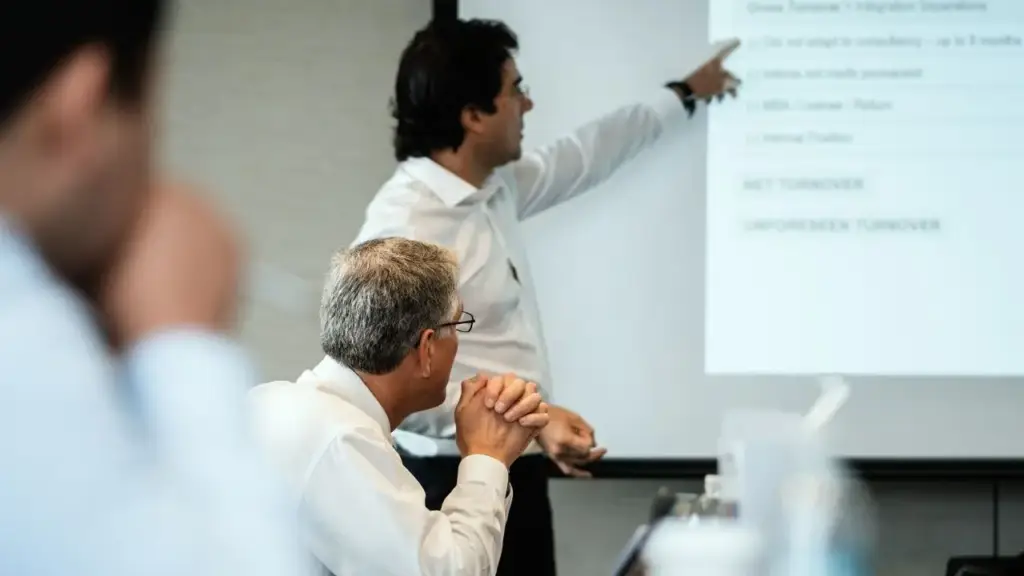
Ad hominem questions challenge the speaker’s position, subject-matter accuracy, or right to draw such far-reaching conclusions based on current knowledge. Sometimes they stem from pure jealousy, a lack of goodwill, or a desire to lower your standing in front of others. It is wise to prepare for them and think through gracious responses in advance.
Example questions:
On what basis do you believe your approach is better than the solutions offered by recognized authorities in this field?
Do you have sufficient experience to evaluate such a complex and multidimensional phenomenon?
Why should we assume that your point of view is not merely a product of your narrow specialization?
Isn’t this simply an attempt to build personal recognition on a catchy but empty buzzword?
How do you address the fact that leading research centers claim the exact opposite on this matter?
Isn’t your analysis too superficial to draw conclusions of such high stakes?
Why should we listen to your interpretation when you don’t back it up with years of practice?
Aren’t you declaring a breakthrough too early in something that is still in an early conceptual stage?
What qualifications do you have to speak on this topic?
Aren’t you too young/too old to be an expert in this field?
Are there people better than you at what you do?

You can adapt the example questions presented here to fit your industry and the nature of your work.
If there are questions you dread, do not run away from them or procrastinate preparing for them. Instead, write them down on paper and draft neat, diplomatic answers well in advance.
Click here if you want to learn how to improvise and answer unexpected, difficult questions with poise under time pressure and in stressful circumstances. Send me a message to get more information about the program, working methods, and pricing.

Author:
Hi, I’m Magda Kern. I’m a psychologist, the top 11 public speaking coach worldwide, a lecturer, working for companies from the Fortune 500 list, a business trainer with 12 years of experience, a TEDx coach, and an ex-vocalist based in Switzerland. I help people prepare and deliver unforgettable presentations and deal with stress.
Added to cart
Check out our shop to see what's available
