
Gestures can have different meanings in different cultures, and it’s essential to be aware of these differences to avoid misunderstandings. Here are some examples of gestures that may be considered wanted or unwanted in different countries. It’s also a crucial skill to know to gesticulate on the stage.
Imagine stepping off a plane in Athens, the Mediterranean sun warming your face as you navigate the bustling streets. A taxi driver stops with uncharacteristic grace to let you cross the road. Grateful, you offer a wide smile and a simple, open-palm wave of thanks. To your horror, the driver erupts in a fit of vitriolic shouting, flailing his arms with genuine rage. You have just unknowingly deployed a “Moutza”- the Greek equivalent of the middle finger.
Body language is often celebrated as a universal “silent language,” but for the global traveler, it is a kinesic minefield. Perspective is everything in international etiquette; a gesture that signals “all clear” in Chicago can be a profound obscenity in Istanbul. As our world grows smaller, the risk of a cultural landmine increases. Mastering these non-verbal cues is more than a social asset; it is a critical necessity for preventing misunderstandings that can escalate from social embarrassment to physical hostility.
In Greece, the open palm—the “Moutza”—is the most traditional and visceral of insults. Extending five spread fingers toward someone’s face is an aggressive act of dismissal.
The Historical Weight The gesture’s severity is anchored in a dark Byzantine past. As the historical record notes:
“It dates to the Byzantine Empire, at which time criminals were paraded through town riding backwards on a donkey, their faces smeared with cinder (moútzos).”
Because of this connection to public shaming, even a friendly wave can be read as a “to hell with you.” To signal “five,” Greeks keep their palm toward themselves. Furthermore, the American “OK” sign is a vulgar slur here, and extending the pinky is a disparaging jab at someone’s physical “shortcomings.” For those truly fed up, the phrase “Write it on my balls” signals a level of apathy so deep that one’s words are only worthy of being inscribed on the bottom of a scrotum.
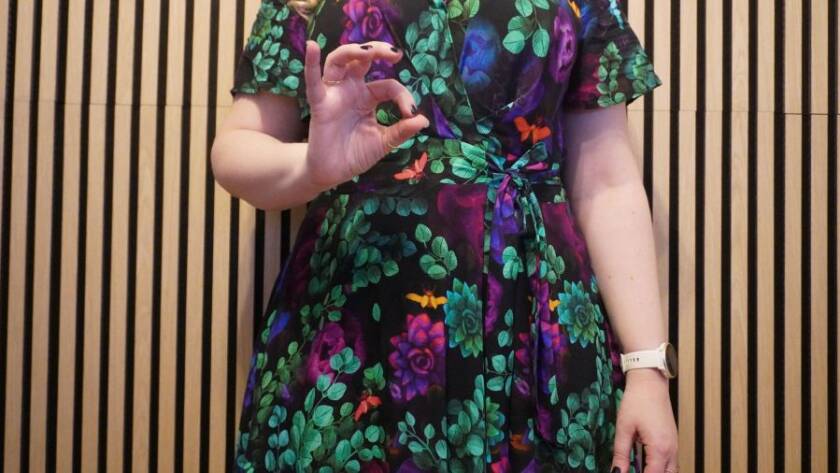
Brazil offers a masterclass in how Western symbols of positivity can backfire. Most famously, President Richard Nixon once stepped off a plane in Brazil and flashed double “OK” signs to a waiting crowd. He intended to signal success; instead, he unknowingly “flipped the bird” to the entire nation. In Brazil, the circular OK sign is functionally identical to the middle finger.
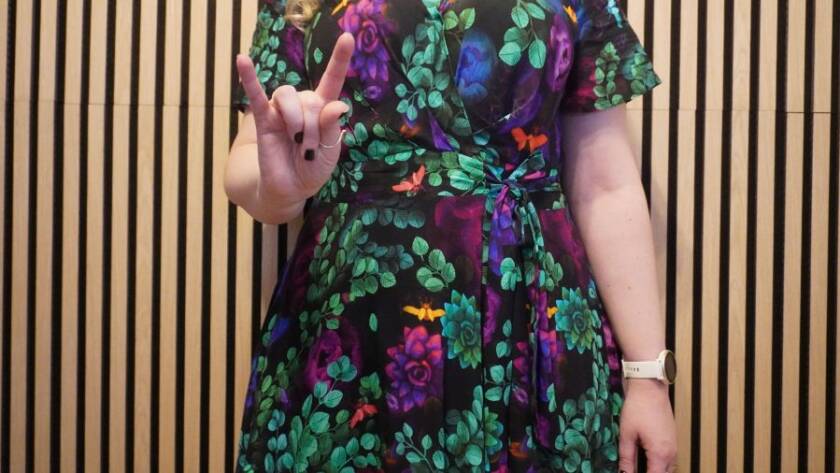
Travelers must also handle the “Horns” sign with care. Known as the cornuto, extending the index and pinky fingers is a mockery of a man whose wife is unfaithful- a stinging social insult in this vibrant culture.
In the Japanese kinesic lexicon, the circular “OK” gesture represents “money” rather than agreement. Conversely, the Western beckoning gesture—a palm-up curling finger—is strictly for dogs and is viewed as demeaning to humans. To beckon a person, use an open palm facing downward with a gentle flapping motion.
Japan also demands strict physical discipline. Keeping your hands in your pockets is a sign of laziness or a “true character” that lacks respect. This was underscored in 2019 when the Tokyo Governor was forced into a public apology after being criticized for pocketing her hands during a chilly outdoor ceremony.
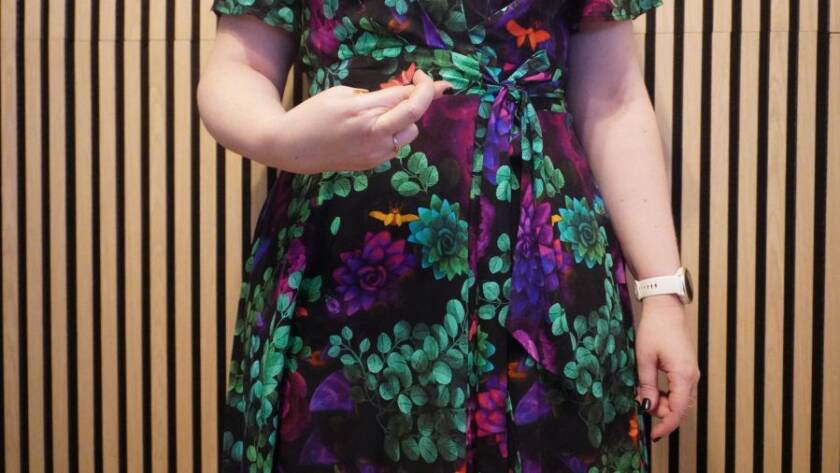
For a Westerner, crossing fingers is a silent prayer for luck. In Vietnam, it is a vulgarity. The physical shape of the crossed fingers is thought to represent female genitalia. Etiquette expert Jan Goss notes the severity: “It’s like giving someone the middle finger… It’s considered vulgar and disrespectful and could even lead to conflict.” Vietnam also joins the list of nations where the “Fig” sign (thumb between fingers) is a highly obscene refusal.
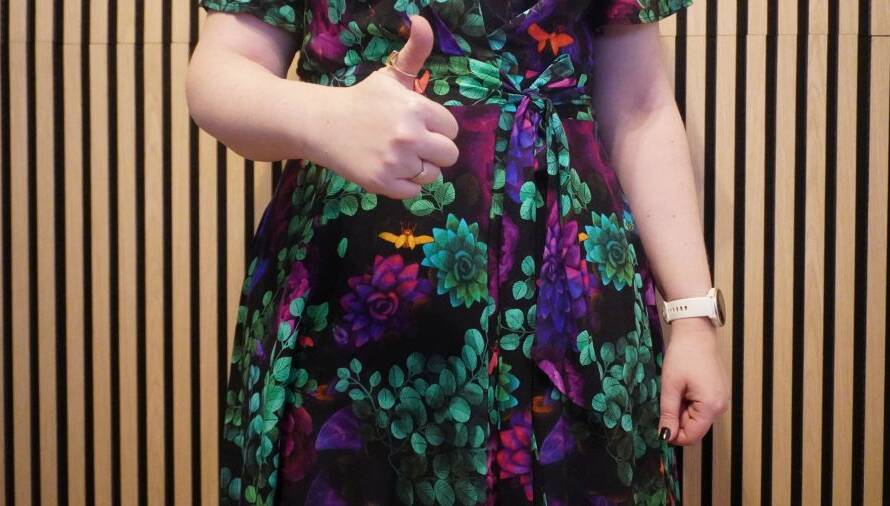
Thailand’s taboos are rooted in the spiritual. Thais revere the head as the most sacred house for the spirit; touching it is sacrilegious. Even a seemingly affectionate ruffle of a child’s hair is an invasion of sacred space. Furthermore, the traditional thumbs-up is viewed as a sexual insult—a way of “flipping someone off” through a spiritual lens.
The British “Peace” sign is a classic example of how a minor physical shift changes everything. Holding up the index and middle fingers in a “V” is positive if the palm faces out. However, if the palm is facing inward toward the gesturer, it becomes the “British middle finger.” Legend traces this to the Battle of Agincourt in 1415, where English archers allegedly taunted French soldiers by showing their two intact bow fingers—the very fingers the French had threatened to amputate.
Australia follows the UK convention regarding the “backhand V” as a major insult. However, even the “thumbs-up” can be risky. While generally positive, moving the thumb up and down vertically transforms it into an insult. Former President George H.W. Bush famously fell into this trap during a 1992 visit, inadvertently insulting a crowd while trying to be friendly.
In the Philippines, the index-finger beckoning gesture is reserved strictly for animals. Using it to summon a human is a deep show of disrespect, implying the recipient is no better than a stray dog. This gesture is so offensive it can lead to legal trouble or even arrest.
In India, the left hand is traditionally associated with “unclean” bathroom duties. Using it to eat, give, or receive items is a major social faux pas. Another hazard is the “Cutis” (or tooth flick), where one flicks the thumbnail from behind the upper teeth. This is a severe insult directed at someone’s entire family lineage. On a more positive note, the side-to-side head wobble—a tilting motion—is a sign of active listening and agreement.
In Iran, the thumbs-up is known as the “Bilakh.” Far from signifying “Good job,” it is the functional equivalent of the middle finger, translating roughly to “Sit on this.” It is a potent insult that remains a high-risk gesture despite the spread of Western social media.
Iraq shares the “Bilakh” (thumbs-up) taboo with its neighbors. Additionally, Iraqi and Assyrian culture utilizes a gesture of “shame” involving abruptly thrusting the palm of the hand toward someone. This signals that the recipient is dishonorable or worthy of public disgrace.
Turkey’s most offensive gesture is the “Fig”—a fist with the thumb wedged between the index and middle fingers. Often called the “Turkish middle finger,” it signals that you are looking for a fight. Travelers should also avoid the “OK” sign here, as it is frequently used as an offensive, homophobic slur.
Italy’s kinesic lexicon doesn’t end with the horns; travelers must navigate a complex set of “Horns” (cornuto) meanings. Pointing the fingers up and swiveling the hand implies a spouse’s infidelity. However, pointing the fingers downward is an apotropaic gesture intended to ward off the “evil eye.” Travelers should also beware the “Chin Flick” (flicking fingers outward from the chin), which signals disdain, and the “Finger Purse,” used in arguments to ask, “What on earth are you saying?”
In France, the “OK” sign is interpreted mathematically as “zero,” implying that a person or a topic is worthless. Another common misunderstanding occurs with the temple tap. While Americans tap their temple to mean “think about it,” in France, this gesture—la barbe—suggests the recipient is crazy or mentally unstable.
Germans have precise rules for numerical signaling and physical contact. When counting, Germans start with the thumb as “one.” If you hold up your index finger for a single beer, you might be misunderstood. In business, Germans prefer a firm, short handshake—usually only one or two pumps. A lingering American handshake with five or more pumps can feel insincere or overwhelming to a German counterpart.
Similar to India, the left hand is reserved for personal hygiene in Nigeria and is considered unclean. It is impolite to wave or eat with the left hand. Furthermore, the thumbs-up gesture is considered a vulgar dismissal, equivalent to flipping someone off.
In the UAE, the “Right-Hand Rule” is strictly observed; the left hand must be avoided for all social transactions. Because many Muslim women are uncomfortable being touched by men, a respectful alternative to the handshake is touching your right palm to your heart, a gesture that signals genuine sincerity.
South Korean etiquette is governed by respect for elders. Sitting cross-legged in front of a senior is considered disrespectful. While elders may push through a crowd with physical force—an accepted social norm—younger people are expected to remain deferential and avoid such contact.
In Fijian villages, the head is the most sacred part of the body; you should never touch someone’s head, even a child’s. Visitors must remove hats and sunglasses when entering a village to show respect. Fijians also embrace “sega na laqa” (island time), where punctuality is relaxed and valuing people over schedules is the priority.
In Russia, the “Fig” gesture is considered highly obscene. While it is a childhood game in the U.S. (“I got your nose”), here it represents a rude refusal—essentially saying, “You get nothing.” While the thumbs-up is becoming more accepted due to globalization, older generations may still find it offensive.
In Indonesia, the “Fig” gesture is not just an insult; it is seen as a vulgar sexual invitation. Similarly, travelers should avoid using the left hand for any social interactions, as it carries the same “unclean” associations found in other parts of Asia and Africa.
Spain shares the cornuto (horn) insult regarding infidelity, but it is also a place where you might encounter the “Forearm Jerk” (bras d’honneur). This involves slapping the bicep while raising the forearm. It is a massive “up yours” that is significantly more aggressive than a simple middle finger.
In the Portuguese context, the “rock-on” symbol is almost exclusively used to mock a man whose wife is unfaithful. Using this gesture at a concert or in a photo could lead to an immediate and hostile confrontation.
Mexican culture values warmth, often greeting with an Abrazo (a friendly hug). Notably, the concept of personal space is much smaller here—typically 8–11 inches—compared to the 18–20 inch standard in North America. Standing further away can be interpreted as cold or unfriendly.
Travelers in Bulgaria face a unique challenge: a head nod actually means “no,” while a head shake means “yes.” This complete reversal of the Western norm is a frequent source of confusion at dinner tables and in taxis across the country.
In Saudi Arabia, eye contact is intensely gendered. Between members of the same sex, sustained eye contact is a sign of honesty and sincerity. However, between opposite sexes, eye contact should be brief or avoided entirely as a sign of respect and modesty.
In China, pointing with an index finger is seen as aggressive and rude—much like calling an animal. Instead, use an open hand. Additionally, extending the pinky finger suggests that something or someone is “small,” inferior, or of low quality, rather than representing a “pinky promise.”
In Belgium, the “OK” sign is stripped of its positive meaning. The circular shape is interpreted as “zero,” signaling to the recipient that they—or the ideas they are presenting—have no value. Belgium also follows the Mediterranean “Chin Flick” as a sign of disdain.
Pakistan utilizes the “Cutis” or tooth flick. Flicking the thumbnail from behind the upper teeth is an obscene gesture of contempt. It is a deeply offensive dismissal not just of an individual, but of their entire family lineage.
Even in the U.S., the kinesic landscape is shifting. The “OK” sign, once a universal symbol of approval, has been co-opted by certain hate groups, leading to its classification as a symbol of hate in some contexts. This evolution means even domestic travelers must remain aware of the political and social weight behind their hands.
“The Kozakiewicz” gesture in Poland, the classic bras d’honneur– bending one arm at the elbow while gripping the bicep with the other hand is elevated to a symbol of national defiance known as “Kozakiewicz gesture.” Named after pole vaulter Władysław Kozakiewicz, who famously directed the motion at a jeering Soviet crowd during the 1980 Moscow Olympics, it transcends simple obscenity. It signifies a triumphant, aggressive independence, communicating a forceful “up yours” that celebrates victory in the face of overwhelming hostility.
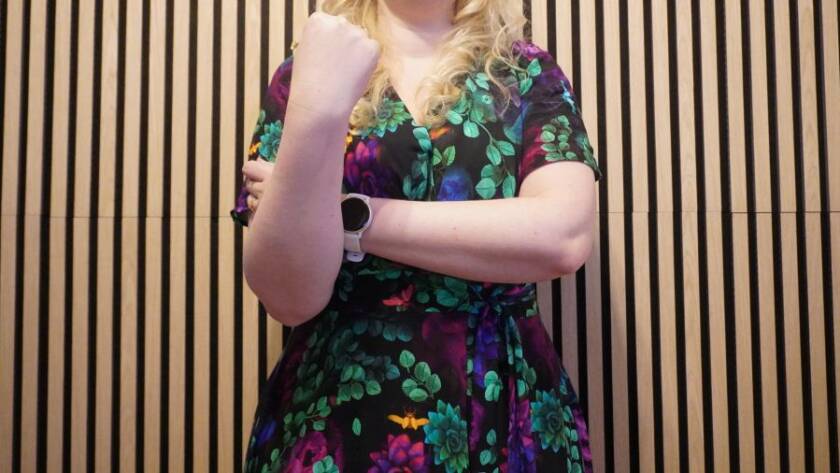
Known historically as the digitus impudicus (“shameless finger”), the act of extending the middle finger while depressing the others is the quintessential global gesture of insult. Rooted in ancient phallic imagery, it serves as an aggressive display of dominance and degradation. Unlike the triumphant defiance of the Kozakiewicz gesture, “flipping the bird” is a raw, direct obscenity intended to belittle the recipient, universally communicating a sharp and hostile “up yours” without the need for translation.

The golden rule of international travel remains constant: observe the locals before you act. If you are unsure of a gesture, lead with a cautious smile and rely on verbal communication. By taking the time to learn the silent language of your destination, you show the highest form of respect for the culture you are visiting.
Is it time we stop assuming our “universal” signs are understood, or is the effort to learn a new culture’s silent language the greatest respect a traveler can show?
Find below gestures categorised into continents:





It’s always a good idea to be mindful of cultural differences and research the appropriate and inappropriate gestures in the country you are visiting or doing business with. It’s also crucial to know how to gesticulate and not on the stage, depending on the audience’s culture.

