

In persuasive presentations, fascinating your audience and driving movement is paramount. To become a master of persuasion, you need an effective arsenal of techniques that engage feelings, address objections, and supply clear messages. In this article, I delve into the effective strategies of storytelling, repetition and visuals, uncovering how they boost your presentation for persuasion. Get ready to unleash the persuasive power within you!
Storytelling is a game-changer in capturing your audience’s attention and inspiring action. Discover how to craft resonated narratives, create emotional connections and drive your message home. From attention-grabbing openings to satisfying resolutions, learn how to leverage the persuasive potential of storytelling. You can read more about storytelling techniques and see examples of job-good-done here.

Repetition is the key to embedding your core messages deep in your audience’s minds. Learn how to strategically reinforce your key points, ideas and calls to action. Used well, repetition improves understanding and retention, and ultimately increases the likelihood that your audience will take action.

Visual aids such as slides, images, graphs, drawings, or videos can significantly increase the persuasive impact of your presentation. Use relevant visuals to complement your spoken words, communicate data or evoke emotion. Well-designed and visually appealing images or graphics can help your audience quickly grasp concepts, remember essential information, and strengthen their connection to your message.
Discover how to use visually lovely aids to expand the persuasive effect of your presentations. From charming slides to engaging pics and films, discover ways to leverage visuals to beautify understanding, evoke feelings, and solidify your message within the minds of your audience. Unlock the secrets and techniques of visual storytelling and revolutionize your presentations. It also will help you present data and facts appealingly- here, you can find how to present data.

A persuasive presentation is incomplete without a compelling call to action. Uncover the artwork of crafting calls to a movement that spur your listeners into instant and decisive steps. By making your calls to movement specific, time-touchy, and compelling, you can encourage your audience to include alternate and remodel their conduct.
To be persuasive, you need to establish yourself as a credible and trustworthy speaker. No credibility = no trust. Highlight your expertise, qualifications, education, and relevant experience early. Include important statistics, research, or testimonials to support your claims. Building credibility helps to instill confidence in your audience and makes it more likely that they will follow your message and perceive it better.

Emotions are crucial in persuasion because they can resonate deeply with your audience. Understand the emotional landscape of your audience and craft your presentation to elicit the desired emotional responses. Whether tapping into their aspirations, addressing their concerns, or igniting excitement. Harnessing emotion will help you create a lasting impact and motivate action. By infusing authentic and engaging emotions into your presentation, you can create a stronger bond with your audience and make your message memorable.
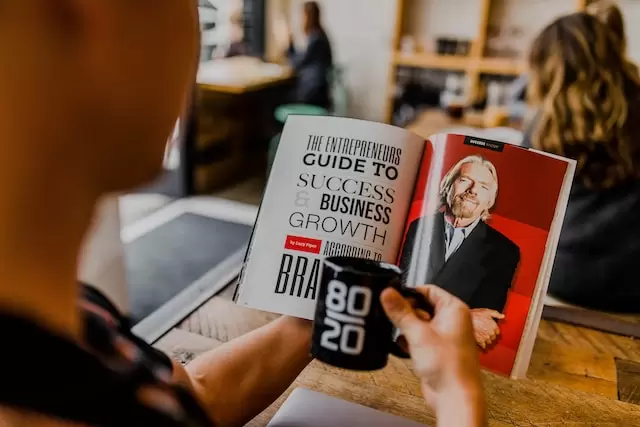
The actions and opinions of others naturally influence people. You can take advantage of this powerful psychological phenomenon by incorporating social proof into your presentations. Share success stories, testimonials or statistics, that show how others have benefited from your ideas or solutions. By showing real-life examples of how your proposal has a positive impact, you can build trust, increase credibility and strengthen your persuasive influence. Use the power of social proof to reassure your audience that they are making the right decision by accepting your message.

One size does not fit all when it comes to persuasive presentations. To truly engage and persuade your audience, you need to understand their needs, preferences and values. Do your research to gain insight into their demographics, motivations and pain points. Then use this information to tailor your content, examples and language so they resonate with your specific audience. By showing that you understand their unique challenges and offering a tailored solution, you build a connection that increases their receptiveness and your credibility and persuasiveness.

Mastering the art of persuasion in presentations requires a multifaceted approach. By harnessing the power of storytelling, repetition and visuals, you can captivate your audience, address their objections and inspire action. Apply these techniques in your next presentation and unlock the full potential of persuasive communication. Increase your influence, leave a lasting impression and achieve the results you want.
Let’s stay in touch. Contact me to get more information about the program, working methods, and pricing.

Author:
Hi, I’m Magda Kern. I’m a psychologist, the top 11 public speaking coach worldwide, a lecturer, working for companies from the Fortune 500 list, a business trainer with 12 years of experience, a TEDx coach, and an ex-vocalist based in Switzerland. I help people prepare and deliver unforgettable presentations and deal with stress.
Added to cart
Check out our shop to see what's available
