
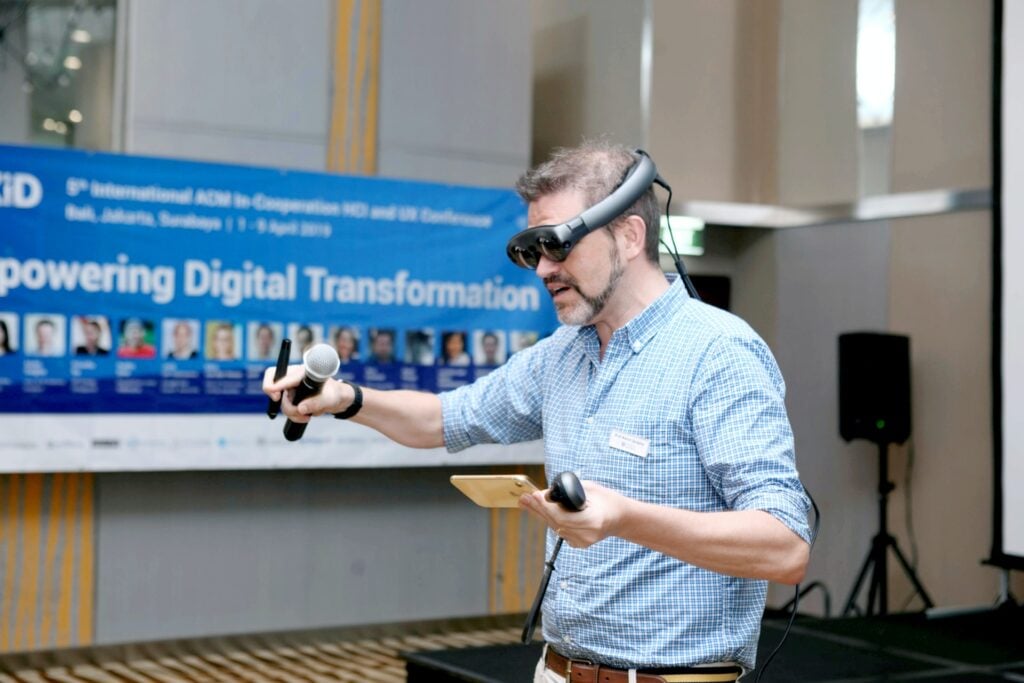
A Gallup survey found that four in ten people in the United States suffer from glossophobia, the fear of public speaking (Brewer, 2001). Stress before speaking in front of an audience may come from fear of being judged, losing respect in your professional environment, being exposed or simply the size of the audience. Can virtual reality help us deal with this stress?
Virtual reality (VR) is defined as an engaging, realistic 3D experience that responds to the movements of our body. This means we can see and experience virtual objects in space as if they were real. The result is immersion: the feeling of being fully absorbed, with all our senses, in a virtual world.
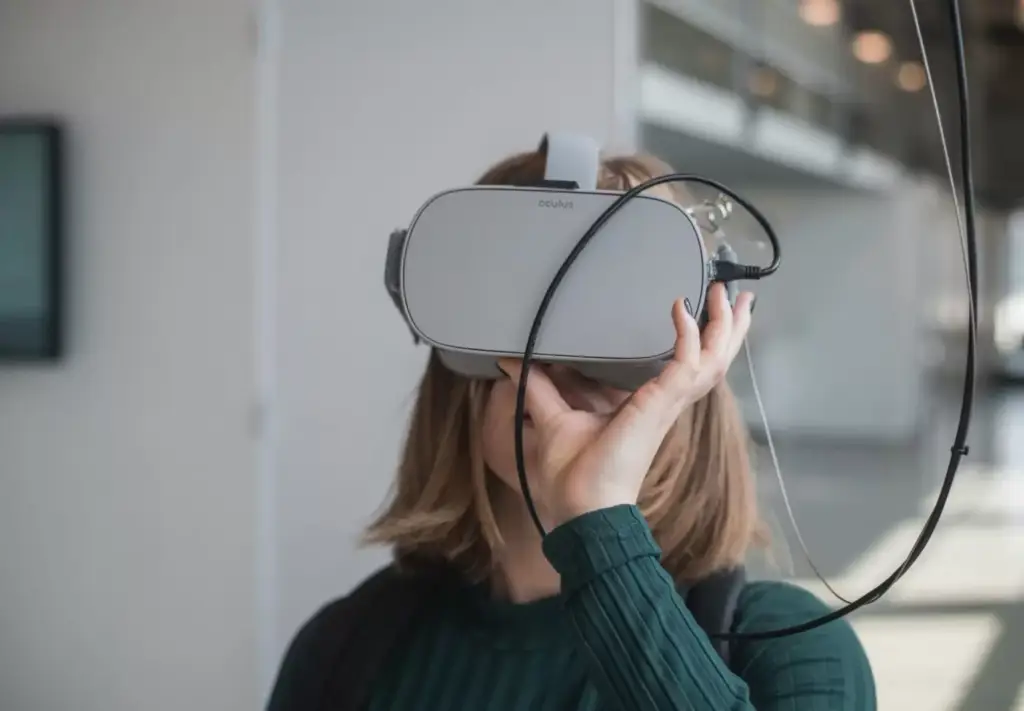
VR technology is used mainly in computer games, but increasingly also in education. Apps such as The Stanford Virtual Heart, Curiscope and zSpace allow students to explore the human body or learn biology, geography and maths in a very hands-on way. In a study by Ebadi and Ebadijalal (2020), language learners who used VR were more motivated, enthusiastic and confident in speaking. VR also allows us to visit museums, for example through Thresholds (Tennent et al., 2020), and for people with disabilities it can be a way to “go out” for a walk in the forest or travel.
Virtual Reality Therapy (VRT), which exposes patients to stimuli similar to those in real life, is becoming increasingly popular. Extensive research confirms its effectiveness in treating various anxiety disorders, including the fear of public speaking (North and North, 2016). Lindner and colleagues (2017) showed that people with clinically diagnosed public speaking anxiety reported lower anxiety after VR exposure therapy. In patients with public speaking anxiety (PSA), VR has also been used within cognitive behavioural therapy. VR-based CBT was as effective as classic CBT (Safir et al., 2012), and fewer patients dropped out of the VR-based therapy. Klinger and colleagues (2005) showed that VR is effective in treating social phobia over a 12-week programme, and Harris and colleagues (2002) found that just four short, 15-minute exposure sessions noticeably reduced public speaking anxiety.
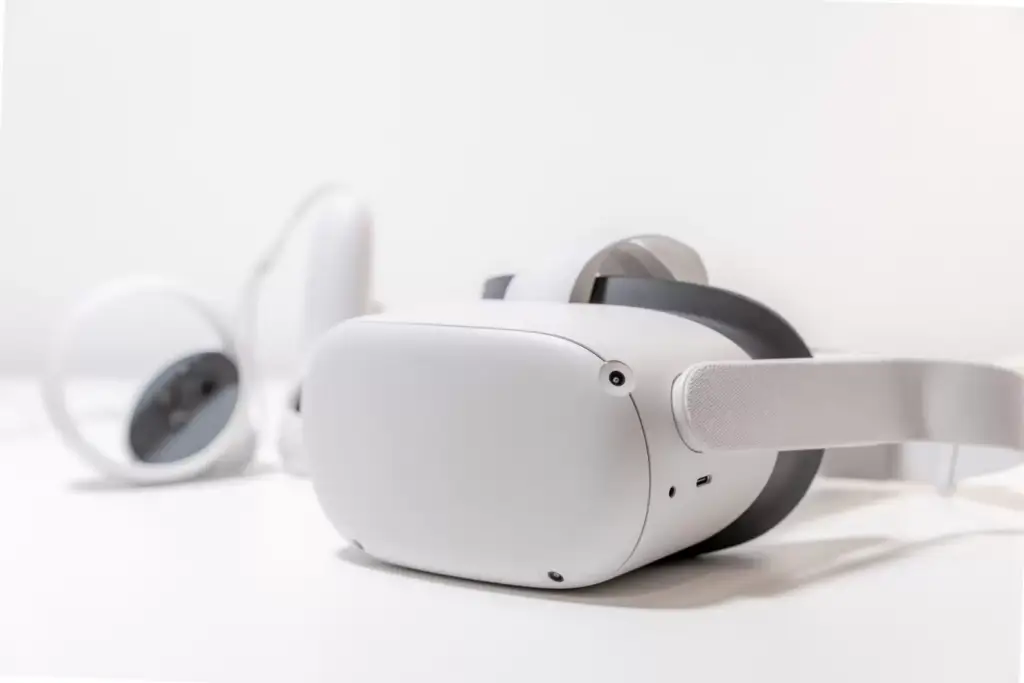
In a study of 40 people, Pertaub and colleagues (2001) showed that when avatars acting as a virtual audience respond realistically, VR can be used both to study and to treat public speaking anxiety. El-Yamri and colleagues (2019) created a VR system for practising presentations in a safe environment. Their virtual audience reacted in real time and gave feedback based on the content of the talk, the speaker’s tone of voice and gaze. Today, similar solutions are available as consumer apps, so you can rehearse in front of a virtual audience without leaving home.
Other studies confirm that people who were fully immersed in a virtual audience experience were able to practise presentations effectively and reduce their fear (Gruber and Kaplan-Rakowski, 2020). Lindner (2020) showed that even a few hours of VR training can reduce anxiety, and participants also reported a greater sense of competence and fewer catastrophic thoughts. Takac and colleagues (2019) found that a virtual environment can trigger real anxiety, and that short, repeated training sessions help people get used to speaking and reduce this anxiety.
Mostajeran and colleagues (2020) used VR to study how the size of a virtual audience affects anxiety. Participants spoke in front of three, six or fifteen people. Interestingly, their heart rate was higher with three virtual listeners than with six or fifteen.
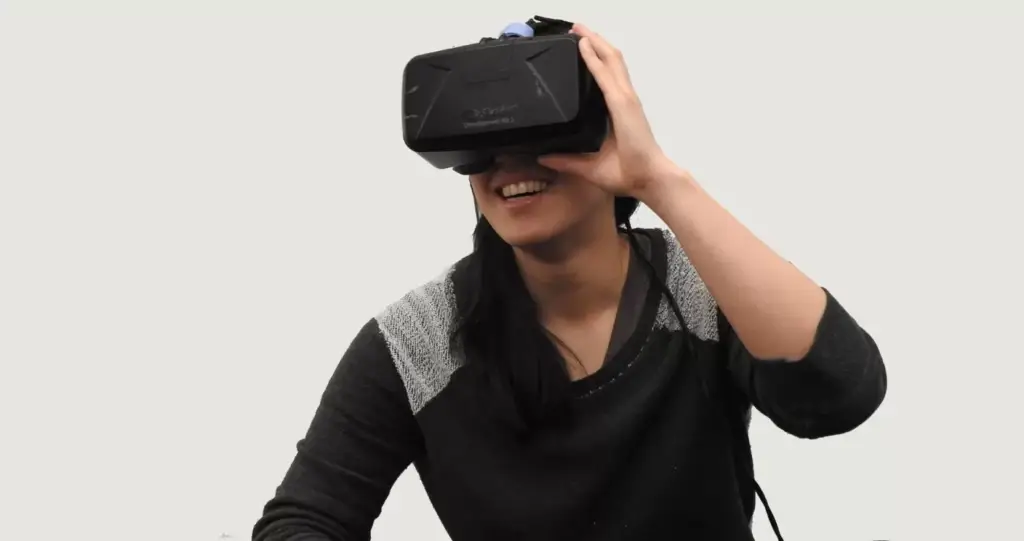
All you need is a VR headset and a public speaking app, such as VirtualSpeech or Ovation. Start with short sessions and a small, friendly audience, then gradually make the conditions more challenging: a larger room, more listeners or less responsive reactions. Regularity matters more than session length. If your anxiety is very strong, it’s best to use VR under the guidance of a therapist.
Virtual Reality Therapy can effectively reduce anxiety, including the fear of public speaking. Realistic, responsive avatars make it possible not only to reduce stress, but also to practise presenting in front of an audience. Regular exposure and practice in VR help reduce public speaking anxiety step by step.
For people who want to practice performing in front of a virtual audience, I recommend the “VR Speech” app.
Bibliography:

Author:
Hi, I’m Magda Kern. I’m a psychologist, the top 11 public speaking coach worldwide, a lecturer, working for companies from the Fortune 500 list, a business trainer with 12 years of experience, a TEDx coach, and an ex-vocalist based in Switzerland. I help people prepare and deliver unforgettable presentations and deal with stress.
Added to cart
Check out our shop to see what's available
